
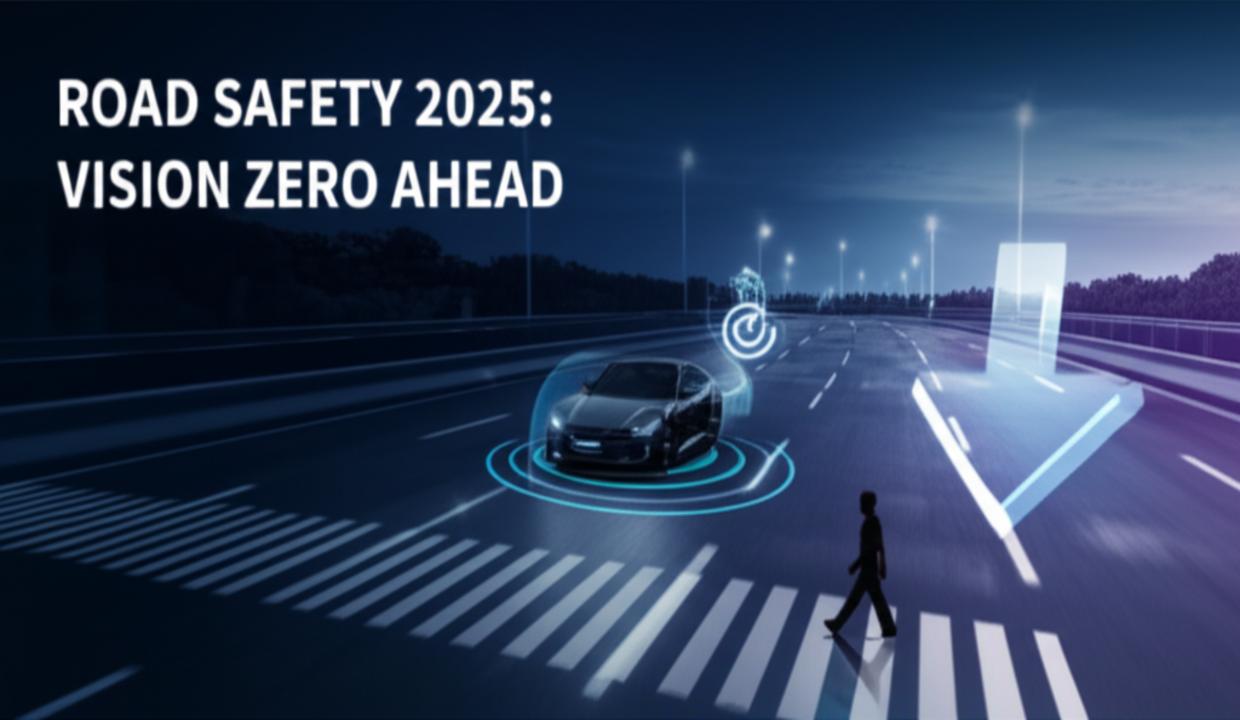
Ensuring the safety of our roads is a critical endeavor, impacting every individual, family, and community. As we look towards 2025, the focus on enhancing road safety intensifies, driven by a commitment to drastically reduce, and ultimately eliminate, traffic fatalities and severe injuries. A robust road safety plan is not just a collection of guidelines; it’s a living strategy designed to adapt to new challenges and leverage innovative solutions.
This article delves into the comprehensive Road Safety Campaign Plan 2025, exploring its foundational principles and practical components. We will examine how a holistic approach, rooted in the globally recognized Safe System Approach, is shaping the future of traffic safety. Our goal is to provide a clear understanding of the proactive steps being taken to foster safer driving environments for everyone.
Main Highlights: Building a Safer Tomorrow with the Road Safety Plan 2025
The core of any effective traffic safety campaign for the coming year is the Safe System Approach. This internationally recognized framework emphasizes a shared responsibility among all stakeholders to create a more forgiving road system. It moves beyond blaming individual road users, focusing instead on system-level improvements that accommodate human error.
This approach identifies five interconnected pillars: safer people, safer vehicles, safer speeds, safer roads, and better post-crash care. By addressing each of these areas comprehensively, the aim is to build layers of protection, ensuring that if one safety measure fails, others are in place to prevent serious harm. This integrated strategy is the cornerstone of road safety 2025 initiatives.
Pillar 1: Empowering Safer People on Our Roads
Human behavior is a significant factor in road incidents, making education and awareness campaigns crucial for accident prevention. The Road Safety Campaign Plan 2025 places a strong emphasis on promoting positive behavior change through targeted public education.
Campaigns will focus on critical areas such as the dangers of distracted driving, the consistent use of seat belts, and the risks associated with impaired driving. Initiatives like “Put the Phone Away or Pay” directly address distracted driving by highlighting both the legal consequences and the grave dangers. These campaigns aim to instill a culture of responsibility.
Furthermore, significant efforts are dedicated to raising awareness and enforcing laws to improve pedestrian and cyclist safety. This focus is particularly vital, given the increasing popularity of active transportation. The 8th UN Global Road Safety Week, held in May 2025, specifically highlighted the importance of safe walking and cycling for healthier communities and sustainable transport options.
Pillar 2: Advancing with Safer Vehicles
Vehicles play a pivotal role in occupant and pedestrian safety. The Road Safety Campaign Plan 2025 actively encourages the widespread adoption of advanced vehicle safety technologies. These innovations are designed to prevent crashes or mitigate their severity.
Key technologies include automatic emergency braking, which can prevent rear-end collisions, and lane keeping assist systems, which help drivers stay in their lanes. Enhanced lighting systems also significantly improve visibility, especially during adverse conditions. Promoting consumer awareness about vehicle safety ratings and the benefits of these technologies is a core part of this pillar, empowering buyers to choose safer options.
Pillar 3: Implementing Safer Speeds for Reduced Risk
Speed is a critical determinant of crash severity. Higher speeds translate to greater impact forces and a reduced ability to react. Therefore, the Road Safety Campaign Plan 2025 includes robust measures for implementing and enforcing appropriate speed limits across all road networks.
This involves not only traditional law enforcement but also strategic infrastructure solutions. Elements like speed bumps, rumble strips, and “road diets” (which narrow roads to reduce speed) are effective in calming traffic. The strategic use of technology, combined with vigilant law enforcement, is vital to deter speeding and significantly reduce both crash frequency and their severity.
Pillar 4: Designing and Maintaining Safer Roads
The physical environment of our roads is fundamental to safety. The Road Safety Campaign Plan 2025 commits to substantial investment in infrastructure improvements. These improvements are designed to be consistent with Safe System and Complete Streets principles, meaning roads are designed for all users, not just motorists.
Key enhancements include improving crosswalk visibility to protect pedestrians, installing pedestrian refuge islands, and creating protected bike lanes to separate cyclists from vehicle traffic. Medians are also crucial in reducing conflicts between different road users, especially at intersections. The goal is to ensure road designs inherently accommodate everyone, including the most vulnerable users like pedestrians and cyclists, for improved accident prevention.
Pillar 5: Enhancing Better Post-Crash Care
Even with the most comprehensive prevention strategies, crashes can still occur. When they do, the speed and quality of post-crash care are paramount in reducing fatalities and severe injuries. The Road Safety Campaign Plan 2025 aims to significantly improve emergency response and medical care systems.
This includes promoting advanced training for first responders, equipping them with the latest techniques and technologies. The deployment of innovative tools such as drones for scene assessment and advanced lighting at incident scenes enhances safety and efficiency for emergency personnel. Developing and implementing evidence-based guidelines for advanced prehospital treatments, such as blood transfusions by paramedics, is also a vital component of this pillar, improving outcomes for crash victims.
Driving Success Through Strategic Partnerships and Data
No single entity can achieve optimal road safety alone. The Road Safety Campaign Plan 2025 strongly emphasizes fostering robust partnerships. Collaborations with businesses, local governments, law enforcement agencies, and various community organizations are crucial to achieving shared safety goals. This collective commitment strengthens the impact of road safety initiatives.
A data-driven approach is fundamental to identifying high-risk areas and tailoring interventions effectively. By analyzing crash data, traffic patterns, and behavioral trends, resources can be allocated where they are most needed. Furthermore, incorporating advocacy and policy measures is essential to secure sustainable funding for vital road safety infrastructure and programs, supporting long-term accident prevention. Organizations like the advocacy efforts from groups committed to safer roads play a significant role.
What’s New in 2025? Landmark Initiatives and Progress
The year 2025 marks significant progress and new initiatives in road safety. The U.S. Department of Transportation (USDOT) has continued its commitment to reducing fatalities through its National Roadway Safety Strategy (NRSS). The 2025 NRSS Progress Report details key milestones achieved in decreasing fatalities and expanding a nationwide “Call to Action” network, encouraging broader participation in safety efforts. You can find more details on the US Department of Transportation’s progress.
New campaigns are also being launched, specifically targeting persistent issues like distracted driving and improving Emergency Medical Services (EMS) safety training. These initiatives aim to address critical areas of concern with renewed vigor. The NRSS Progress Report for 2025 highlights these and other advancements, providing a transparent look at ongoing efforts and future plans for the nation’s roadways.
Additionally, the 8th UN Global Road Safety Week, held in May 2025, played a crucial role. It emphasized making walking and cycling safer, promoting health, and fostering sustainable transport options through broad stakeholder engagement. This global effort underscores the interconnectedness of road safety with public health and environmental sustainability. Read more about the week’s focus from the 8th UN Global Road Safety Week. Furthermore, targeted campaigns from organizations like FMCSA awareness programs focus on safely sharing the road with large trucks and buses, which are particularly important for a comprehensive road safety plan.
The commitment to these comprehensive road safety initiatives is further solidified by official reports, such as the full NRSS Progress Report available for public review. This integrated campaign plan blends education, enforcement, engineering, emergency care, and policy advocacy. It rigorously follows proven frameworks like the Safe System Approach and the NRSS, all working towards the ambitious, yet achievable, goal of zero fatalities on the road in 2025 and beyond. This unified effort is essential for meaningful accident prevention.
Pros and Cons: Evaluating the Road Safety Campaign Plan 2025
| Pros | Cons |
|---|---|
| Comprehensive and holistic approach covering multiple factors. | Requires significant, sustained financial investment. |
| Internationally recognized framework (Safe System Approach). | Success is highly dependent on public cooperation and behavior change. |
| Data-driven strategies for targeted interventions. | Complex coordination needed among numerous stakeholders. |
| Focus on vulnerable road users for equitable safety. | Results may take time to fully materialize. |
| Emphasis on technology and innovation for improved outcomes. | Potential for resistance to new regulations or infrastructure changes. |
FAQ: Your Questions About Road Safety 2025
-
What is the primary goal of the Road Safety Campaign Plan 2025?
The main goal is to significantly reduce and ultimately eliminate traffic fatalities and serious injuries on our roads. It adopts a “zero fatalities” vision, aiming to create a more forgiving road system that minimizes the impact of human error through a comprehensive, multi-faceted strategy. -
How does the Safe System Approach differ from traditional road safety methods?
Unlike traditional methods that often focus solely on driver behavior, the Safe System Approach acknowledges that humans make mistakes. It designs the entire road system—including roads, vehicles, speeds, and post-crash care—to be more forgiving, so that human error does not lead to death or serious injury. -
What role do advanced vehicle technologies play in this plan?
Advanced vehicle technologies like automatic emergency braking and lane keeping assist are crucial for preventing crashes or reducing their severity. By encouraging their adoption, the plan adds a critical layer of protection for both vehicle occupants and other road users. -
Why is post-crash care included in a “safety” plan?
Post-crash care is vital because even with prevention efforts, crashes can still occur. Improving emergency response times, medical care, and first responder training significantly reduces the likelihood of fatalities and severe injuries after a collision, thereby improving overall road safety outcomes. -
How can I contribute to road safety initiatives in my community?
You can contribute by practicing safe driving behaviors, advocating for safer infrastructure in your area, participating in local safety campaigns, and supporting policies that promote comprehensive road safety strategies. Spreading awareness about the importance of a holistic road safety plan also helps.
Conclusion: Paving the Way for a Safer Future
The Road Safety Campaign Plan 2025 represents a monumental step forward in our collective endeavor to create safer roads. By embracing the Safe System Approach and focusing on every facet of the road environment—from safer people and vehicles to improved infrastructure and emergency care—we are laying the groundwork for a future with dramatically fewer accidents. This integrated approach, bolstered by partnerships and data-driven decisions, is truly transformative. It’s not just about rules; it’s about building a resilient system where safety is inherent.
The vision of zero fatalities on our roads is ambitious, but with dedicated efforts, innovative strategies, and community involvement, it is within our reach. Let’s all commit to making 2025 a landmark year for road safety. We encourage you to share this information and explore more about these vital initiatives. For further details on our commitment to safety, please visit our About Us page, or reach out directly through our Contact section. Let’s drive safely, together. #RoadSafetyFirst #VisionZero


