
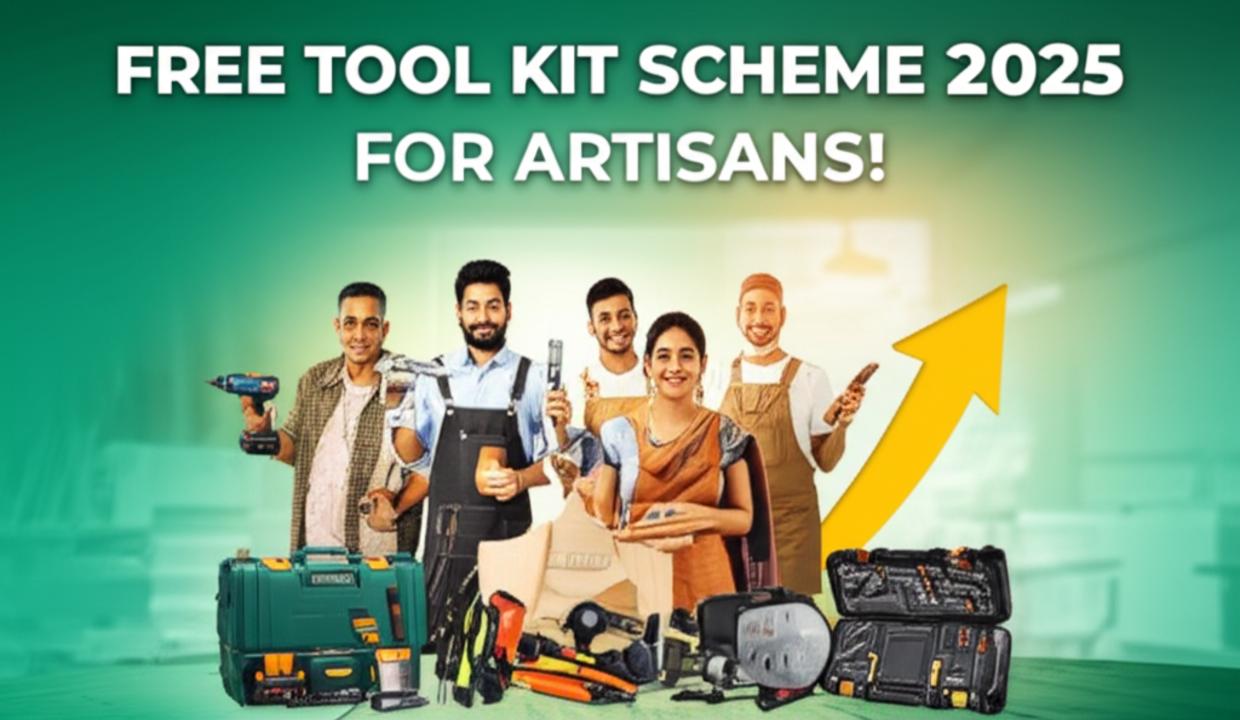
Welcome to our comprehensive guide on the Free Tool Kit Scheme 2025 for Artisans! In a world increasingly driven by digital advancements, the invaluable skills of our traditional and modern artisans remain the backbone of countless local economies. Recognizing their immense contribution, governments have rolled out empowering initiatives designed to bolster their livelihoods and preserve their crafts. This article will dive deep into the intricacies of this crucial artisans scheme, exploring how it provides essential resources to craftsmen and women across the nation.
We understand the challenges faced by rural artisans, from accessing quality tools to finding avenues for skill enhancement. That is precisely why the Free Tool Kit Scheme 2025 stands out as a beacon of hope. It aims to equip eligible individuals with modern, professional tools, thereby enhancing their productivity, quality of work, and ultimately, their income. Whether you are a carpenter, barber, potter, weaver, or any other skilled craftsman, understanding this government scheme for artisans is your first step towards unlocking new opportunities.
Join us as we break down every aspect of this transformative program. We will cover eligibility criteria, the application process, the types of tools provided, and specific examples from various states. Our goal is to provide you with all the information you need to successfully apply for these invaluable free tools for craftsmen and continue your journey of artistic and economic empowerment.
Main Highlights: Free Tool Kit Scheme 2025 For Artisans
The Free Tool Kit Scheme 2025 for Artisans is a pivotal government initiative designed to uplift the artisanal community, especially in rural areas. Its core objective is to provide eligible craftsmen with free or significantly subsidized advanced tool kits. This program is part of broader developmental efforts, often aligning with initiatives like the One District One Product (ODOP) Training and Toolkit Distribution Scheme, which aims to promote unique local crafts.
By offering essential tools, the scheme directly addresses a significant barrier to productivity and quality for many artisans: the lack of modern equipment. It’s not just about providing tools; it’s about fostering economic self-reliance. This comprehensive artisans scheme ensures that traditional skills are not only preserved but also adapted to contemporary demands, enabling artisans to compete more effectively in the market.
The vision behind the Free Tool Kit Scheme 2025 extends beyond mere distribution. It envisions a future where skilled individuals, armed with the right resources, can significantly contribute to their local economies, generate employment, and elevate the overall standard of living in their communities. This focused support helps in recognizing the vital role artisans play in cultural heritage and economic development.
Empowering Artisans: The Core Purpose of the Scheme
At its heart, the Free Tool Kit Scheme 2025 for Artisans serves a profound purpose: to empower the skilled hands that shape our heritage and economy. The primary objective is to equip artisans with improved and professional tools. These tools are absolutely necessary for their trades, directly boosting their skills and unlocking greater economic potential. Imagine a carpenter with outdated tools versus one with modern, ergonomic equipment – the difference in efficiency and quality is immense.
This initiative often goes hand-in-hand with vital skill development and entrepreneurship training. Such training is directly related to the specific crafts recognized in each district or state. Therefore, it’s a holistic approach, not just providing hardware but also enhancing human capital. Artisans gain not only the physical means to improve their craft but also the knowledge to manage their businesses more effectively.
The provision of free tools for craftsmen significantly reduces the financial burden on individuals who might otherwise struggle to afford quality equipment. This financial relief allows them to invest their limited capital into other aspects of their business, such as raw materials or marketing. Ultimately, the scheme aims to create a virtuous cycle of skill enhancement, increased productivity, and improved economic outcomes for thousands of rural families.
Who Can Apply? Eligibility Criteria for the Artisans Scheme
Understanding the eligibility criteria is the first crucial step for anyone interested in benefiting from the Free Tool Kit Scheme 2025 for Artisans. Typically, the scheme targets rural artisans who are actively engaged in producing recognized products specific to their district or state. This focus ensures that the benefits reach those who need them most and contribute to local economies.
Applicants generally need to be 18 years of age or above to qualify. This age requirement ensures that beneficiaries are mature enough to utilize the tools responsibly and engage in productive work. Furthermore, a key condition is that applicants should not have previously availed similar benefits from any other government scheme. This prevents duplication of benefits and ensures wider reach among the deserving artisan community.
Another important criterion often includes a clear financial standing; applicants must not be in default on any financial institutions. This ensures responsible participation in government programs. While specific criteria may vary slightly from state to state or district to district, these core requirements generally remain consistent for the government scheme for artisans. Always check the official guidelines of your respective district or state industry department for precise details.
The Application Journey: How to Access Free Tools for Craftsmen
Navigating the application process for the Free Tool Kit Scheme 2025 for Artisans is designed to be streamlined, primarily through online portals. This modern approach makes it easier for rural artisans to apply from their homes or local common service centers, reducing the need for extensive travel and paperwork. The application process is generally straightforward, but attention to detail is key.
Most applications are submitted online via the respective district or state industry department portals. Artisans are usually required to register on these portals, creating a unique profile. This profile will serve as their digital identity for all future interactions with government schemes. Once registered, applicants can then browse and select the relevant scheme for toolkit assistance, such as the Free Tool Kit Scheme 2025.
The online application typically involves filling out a form with personal details, providing information about their craft, and uploading necessary documents. These documents might include proof of age, residence, occupation, and an affidavit stating no prior receipt of similar benefits. It is highly recommended to gather all required documents in digital format before starting the application to ensure a smooth and efficient process for obtaining free tools for craftsmen.
Toolkits Tailored for Success: What You Can Receive
The beauty of the Free Tool Kit Scheme 2025 for Artisans lies in its tailored approach to equipping craftsmen. The types of toolkits provided vary significantly depending on the specific trade or craft of the artisan. This customization ensures that the tools are truly relevant and beneficial, directly enhancing the artisan’s productivity and the quality of their output. It is not a one-size-fits-all solution, but a thoughtful provision.
For instance, carpenters might receive a comprehensive set of woodworking tools, including electric drills, planers, and advanced measuring instruments. Barbers could be provided with professional grooming kits, high-quality clippers, and sterilizers. Other programs might specify the distribution of sewing machines for tailors, pottery wheels for potters, or improved appliances for various other artisans, all free of cost.
These professional toolkits are often selected based on expert recommendations and industry standards, ensuring they are durable, efficient, and capable of improving the artisan’s output significantly. The aim is to move artisans from traditional, often inefficient tools to modern equipment that can help them achieve higher precision and speed. The availability of these free tools for craftsmen marks a substantial upgrade for many, directly boosting their craft’s potential.
Real-World Impact: State Examples and Success Stories
The effectiveness of the Free Tool Kit Scheme 2025 for Artisans is best illustrated through its implementation in various states, each adapting the core concept to its unique local context. These examples highlight the widespread reach and positive impact of this government scheme for artisans.
In Uttar Pradesh, the ODOP Skill Development and Tool Kit Distribution Scheme is a prime example. This initiative focuses on advanced tools and training for artisans whose crafts align with the district’s designated One District One Product. For instance, artisans engaged in brassware in Moradabad or pottery in Khurja receive specific, high-quality tools that enhance their specialized production capabilities. This systematic approach fosters economic growth in specific artisanal clusters. Learn more about Uttar Pradesh’s ODOP scheme.
Karnataka, specifically in districts like Chitradurga and Kodagu, consistently provides free professional tools to rural artisans annually. Their online application facilities make it convenient for artisans to apply and track their applications. These state-level efforts are crucial in reaching a broad base of artisans across diverse crafts. Check application details for Chitradurga District.
Similarly, Yadgir District has ongoing calls for applications for free carpenter and barber tool kits under its rural artisan schemes. These specific, targeted distributions ensure that particular trades receive the precise support they need to thrive. These state initiatives demonstrate a tangible commitment to empowering artisans and promoting self-employment. Find out about Yadgir District’s tool kit programs.
These examples underscore the varied but impactful ways in which the Free Tool Kit Scheme 2025 and its equivalents are being implemented, making a real difference in the lives of countless craftsmen and their communities. It’s a testament to the government’s dedication to supporting traditional skills and fostering economic independence.
Navigating Application Windows: Staying Informed for 2025
The application window for the Free Tool Kit Scheme 2025 for Artisans is a critical piece of information that potential applicants must carefully track. These windows vary significantly by state and even by district, often opening annually or biennially. Missing a deadline can mean waiting another year to apply, so staying informed is absolutely essential for every aspiring beneficiary of this artisans scheme.
For instance, Karnataka’s District Industry Center scheme had an application period from November 8 to November 30, 2024. This specific timeframe highlights the narrow windows often provided. Meanwhile, for the Chitradurga district, applications for the 2025-2026 tool kit opened on August 1, 2025, and will close on August 30, 2025. Such specific dates necessitate proactive monitoring.
The best way to stay updated is by regularly checking the official websites of your respective District Industry Center (DIC) or state industry department. These portals are the primary source for accurate and up-to-date application deadlines, detailed scheme guidelines, and any changes in the application process. Sometimes, local administrative offices or community centers also display notices. Always verify information from multiple official sources to ensure you have the most current details regarding the government scheme for artisans. Check for updates in Kodagu District.
Beyond the Tools: Skill Development and Economic Upliftment
The Free Tool Kit Scheme 2025 for Artisans offers more than just physical tools; it is a catalyst for holistic development within the artisanal community. Beyond the tangible benefit of free tools for craftsmen, the scheme often integrates skill development and entrepreneurship training. This dual approach ensures that artisans are not only well-equipped but also possess the knowledge and abilities to effectively leverage their new resources.
Skill enhancement programs provide artisans with modern techniques, design trends, and improved production methods. This continuous learning helps them refine their craft, increase efficiency, and produce higher-quality goods that appeal to a wider market. For example, a potter might learn about new glazing techniques or a weaver about contemporary design patterns, significantly enhancing their marketability.
Moreover, entrepreneurship training is crucial for transforming skilled laborers into self-sufficient business owners. This training covers aspects like basic accounting, marketing, pricing, and accessing markets, including online platforms. By fostering an entrepreneurial mindset, the government scheme for artisans empowers them to manage their ventures professionally, leading to sustainable income generation and economic upliftment for their families and communities. It promotes self-employment and reduces reliance on unstable income sources.
Tips for a Successful Application
Applying for the Free Tool Kit Scheme 2025 for Artisans can be a straightforward process if approached systematically. Here are some invaluable tips to ensure your application is successful and stands out, maximizing your chances of receiving these beneficial free tools for craftsmen.
- Read Guidelines Carefully: Before starting, thoroughly read all eligibility criteria and required documents on the official state or district portal. Understanding every detail prevents common errors and ensures compliance.
- Prepare Documents: Gather all necessary documents in advance. This typically includes identity proof, address proof, age proof, proof of occupation (e.g., a letter from a local artisan association or a self-declaration), and an income certificate. Ensure they are in the specified digital format (PDF, JPEG, etc.).
- Accurate Information: Double-check all information entered into the online form for accuracy. Any discrepancies can lead to delays or rejection. Ensure your name, address, and contact details match your official documents.
- Meet Deadlines: Pay close attention to application opening and closing dates. Submit your application well before the deadline to avoid last-minute technical glitches. As seen with the Chitradurga district example, windows can be tight.
- Seek Assistance if Needed: If you are unfamiliar with online applications, do not hesitate to seek help from local Common Service Centers (CSCs), District Industry Centers (DICs), or tech-savvy family members. They can guide you through the digital process.
- Follow Up: After submitting, keep track of your application status online. This allows you to respond promptly if any additional information or clarification is required from the authorities.
By following these tips, you can navigate the application process smoothly and significantly increase your chances of being a beneficiary of this transformative artisans scheme. Explore schemes and their application processes on state portals.
Addressing Common Queries About the Free Tool Kit Scheme
Potential applicants often have several questions beyond the basic guidelines of the Free Tool Kit Scheme 2025 for Artisans. Addressing these common queries can provide greater clarity and encourage more eligible individuals to apply for these valuable free tools for craftsmen.
One frequent question concerns the quality and brand of the tools provided. While specific brands may vary by procurement, the scheme generally aims to provide professional-grade, durable tools suitable for long-term use. These are selected to ensure they enhance productivity and the quality of work, not just provide a basic set. The government’s goal is to genuinely empower, not just equip.
Another common query relates to post-distribution support, such as maintenance or repair. While the scheme primarily focuses on distribution, some programs or local DICs might offer guidance on tool care. Artisans are typically responsible for maintaining their tools, though any integrated training might include basic maintenance tips. It’s always best to inquire at your local DIC about any such support mechanisms available.
Furthermore, many ask if existing artisans with some tools can still apply. Generally, the scheme targets those who need improved or advanced toolkits, especially if their current tools are outdated or inadequate. The focus is on increasing productivity and quality. The spirit of the government scheme for artisans is to provide a significant upgrade and support where it’s most needed, ensuring widespread benefit and economic upliftment across the rural artisan community.
The Future of Artisanal Craftsmanship in India
The Free Tool Kit Scheme 2025 for Artisans represents a crucial step towards securing and advancing the future of artisanal craftsmanship in India. By directly addressing the infrastructural needs of craftsmen, the scheme contributes significantly to the preservation of traditional skills and the encouragement of new ones. It fosters an environment where age-old techniques can thrive alongside modern innovations, creating a vibrant ecosystem for creativity and commerce.
As the scheme continues to evolve, it is expected to incorporate more sophisticated technologies and training modules, further bridging the gap between traditional craftsmanship and the demands of contemporary markets. This ongoing support for free tools for craftsmen not only enhances individual livelihoods but also positions India’s diverse artisanal products more competitively on a global stage. The emphasis on local products, through initiatives like ODOP, strengthens regional identities and economies.
Ultimately, the long-term vision behind this government scheme for artisans is to create a self-sustaining artisanal sector that is resilient, innovative, and economically robust. It’s about ensuring that the next generation of artisans has the resources and opportunities to carry forward their legacy, contribute to national development, and achieve their full potential. This empowerment is vital for the cultural and economic fabric of the nation, marking a bright future for skilled hands across India. #ArtisanEmpowerment
Frequently Asked Questions (FAQs)
-
What is the Free Tool Kit Scheme 2025 for Artisans?
It’s a government initiative providing eligible rural artisans with free or subsidized advanced toolkits. Its aim is to enhance productivity, skill, and income, often accompanying skill development training related to specific crafts in a district or state.
-
Who is eligible to apply for this scheme?
Generally, rural artisans aged 18 years or above, actively engaged in recognized crafts, are eligible. They should not have previously received similar benefits and must not be in default on financial institutions. Specific criteria might vary by state.
-
What kind of tools are provided under the scheme?
Toolkits vary by trade. Examples include professional tools for carpenters, barbers, sewing machines, and improved appliances, all provided to support and modernize their respective crafts. The tools are selected to be relevant and improve efficiency.
-
How can I apply for the Free Tool Kit Scheme 2025?
Applications are primarily submitted online through respective district or state industry department portals. Artisans need to register, create a profile, and select the relevant scheme for toolkit assistance, uploading necessary documents digitally.
-
Where can I find information about application deadlines?
Application windows vary annually or biennially by state/district. It is crucial to regularly check the official websites of your nearest District Industry Center (DIC) or state industry department portals for the most accurate and up-to-date information on deadlines.
Watch More About the Free Tool Kit Scheme 2025
This video provides a visual guide on how artisans can apply online, details the types of toolkits offered, and showcases the significant impact on rural livelihoods, emphasizing increased productivity and income enhancement for beneficiaries of the Free Tool Kit Scheme 2025.
Conclusion: Empowering a Legacy of Craft
The Free Tool Kit Scheme 2025 for Artisans stands as a testament to the government’s commitment to empowering its skilled workforce. By providing crucial free tools for craftsmen, coupled with vital training, this government scheme for artisans is not just distributing equipment; it is igniting a spark of economic independence and ensuring the continuity of invaluable traditional crafts. It is a strategic investment in the heart of rural economies, fostering self-employment and entrepreneurial spirit.
We encourage all eligible artisans to take advantage of this incredible opportunity. Stay informed about application windows through official channels, prepare your documents diligently, and embrace the potential for growth that this scheme offers. Your craft is a legacy, and with the right tools, its future is brighter than ever.
Thank you for reading our detailed guide. We hope this article has provided you with clarity and encouragement. Feel free to share this information with fellow artisans in your community. For more insights into empowering schemes and valuable resources, please explore our website. You can learn more About Us or Contact our team for further assistance.
Disclaimer: All images and videos are sourced from public platforms like Google and YouTube. If any content belongs to you and you want credit or removal, please inform us via our contact page.


