
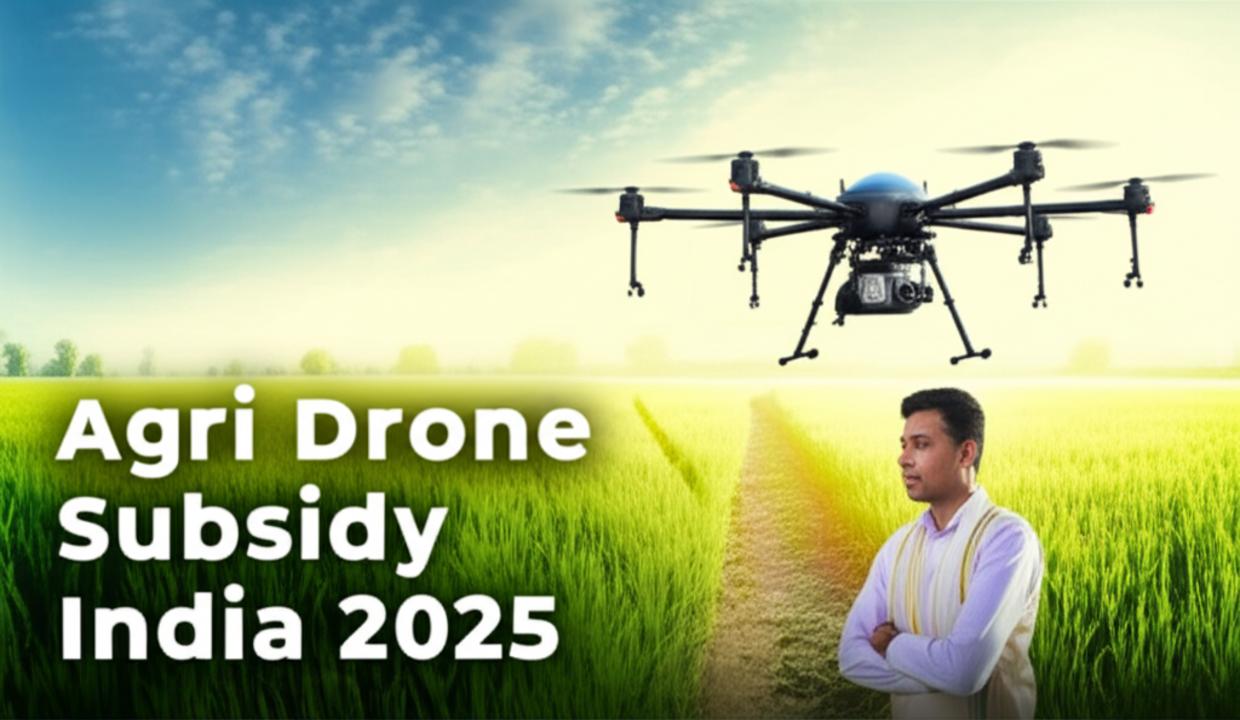
Welcome to a new era of farming, where technology meets tradition to boost productivity and sustainability. For Indian farmers, the year 2025 promises revolutionary changes with enhanced government support for integrating modern tools into agricultural practices. Among these, agricultural drones stand out as game-changers, offering precision, efficiency, and significant cost savings.
This comprehensive guide delves into the Government Scheme for Drone Subsidy for Agriculture 2025, specifically designed to make this advanced technology accessible and affordable. We will explore the various schemes, including the flagship PM Kisan Drone Subsidy Scheme, the empowering Namo Drone Didi Scheme, and other crucial governmental support. Our aim is to provide clarity on eligibility, application processes, and the immense benefits awaiting farmers. Get ready to understand how these subsidies are paving the way for a smarter, more prosperous agricultural future in India.
Government Scheme for Drone Subsidy for Agriculture 2025: An Overview
The Indian government is firmly committed to modernizing agriculture, and the promotion of drone technology is a cornerstone of this vision for 2025. These schemes are not just about providing financial aid; they are about fostering a tech-savvy farming community capable of achieving higher yields with fewer resources. The focus is on ensuring that even small and marginal farmers can leverage drones for tasks like spraying, surveillance, soil health mapping, and crop monitoring.
The overarching goal is to make agriculture drone technology affordable and widely adopted. This strategic push benefits individual farmers, Farmer Producer Organizations (FPOs), agricultural institutions, and particularly women-led Self-Help Groups (SHGs). By reducing the initial investment barrier, these farming subsidy initiatives aim to accelerate the transition to precision agriculture, leading to improved efficiency and environmental benefits.
The Flagship: PM Kisan Drone Subsidy Scheme 2025 (Under SMAM)
At the forefront of the government’s efforts is the PM Kisan Drone Subsidy Scheme 2025, operating under the Sub-Mission on Agricultural Mechanization (SMAM). This scheme is pivotal in providing substantial financial assistance for the purchase of drones specifically intended for agricultural use. It’s designed to bring advanced aerial technology directly to the fields, transforming traditional farming methods.
The scheme supports various applications, from precise pesticide and nutrient spraying to real-time crop health monitoring and detailed soil analysis. The vision is to make every farmer a recipient of this technological upgrade, fostering efficiency and sustainable practices across the nation. Understanding the specifics of this farmer drone scheme is crucial for prospective beneficiaries.
Eligibility Criteria
The PM Kisan Drone Subsidy Scheme 2025 has clearly defined eligibility criteria to ensure the benefits reach the intended beneficiaries. This broad inclusion ensures that various entities involved in agriculture can participate and contribute to the modernization of the sector. The scheme encourages a collective approach to adopting new technologies.
- Registered PM-KISAN Farmers: Individual farmers who are beneficiaries under the existing PM-KISAN scheme are eligible. This ensures that the subsidy directly supports those already recognized by the government’s agricultural support programs.
- Farmer Producer Organizations (FPOs): These collective bodies play a vital role in empowering farmers and can access significant financial assistance to acquire drones for their members.
- Krishi Vigyan Kendras (KVKs): Agricultural science centers are eligible, enabling them to use drones for research, demonstration, and training purposes.
- Custom Hiring Centres (CHCs): These centers provide agricultural machinery on a rental basis to farmers, making drones accessible even to those who cannot afford to buy them outright.
- Agricultural Universities: Universities are also included, allowing them to integrate drone technology into their curriculum and research, fostering future agricultural innovations.
Unpacking the Subsidy Rates
The financial assistance provided under the PM Kisan Drone Subsidy Scheme 2025 is structured to offer significant relief on the purchase cost, making drones highly accessible. The subsidy rates vary depending on the category of the beneficiary, reflecting a tailored approach to support different segments of the agricultural community. This tiered subsidy model ensures equitable access.
- Individual Farmers: An impressive 50% subsidy is offered, capped at a maximum of ₹5 lakh per drone. This substantial support drastically reduces the financial burden for individual farmers looking to embrace precision agriculture.
- Farmer Producer Organizations (FPOs): FPOs receive an even higher subsidy rate of 75%, with a cap of ₹7.5 lakh. This encourages collectivization and shared resource utilization among farmers.
- Custom Hiring Centres (CHCs): These centers, crucial for wider adoption, are eligible for a 40% subsidy, up to ₹4 lakh. This ensures they can invest in drones to serve a broader farming community on a pay-per-use model.
- Agricultural Institutions: Universities and KVKs can avail a 100% subsidy for one drone per center. This full funding aims to bolster research, education, and demonstration activities in drone technology.
These generous subsidies highlight the government’s strong commitment to integrating cutting-edge technology into Indian agriculture. For more detailed insights into this specific scheme, you can check out this resource: PM Kisan Drone Subsidy Scheme 2025.
Empowering Women in Agriculture: The Namo Drone Didi Scheme
A truly groundbreaking initiative is the Namo Drone Didi Scheme, which specifically targets women-led Self-Help Groups (SHGs). This scheme is not just about technology adoption; it’s about empowering women economically and socially within the agricultural sector. Launched with a strong focus on inclusivity, it aims to create new livelihood opportunities.
Between 2024-25 and 2025-26, the scheme plans to train and equip 15,000 women-led SHGs with agricultural drones. The financial support under this scheme is exceptionally generous, reflecting the government’s commitment to women empowerment. It includes a substantial 80% subsidy on drone purchases, up to a maximum of ₹8 lakh per drone. Additionally, SHGs can access easy loans at a mere 3% interest for the remaining amount, making drone acquisition highly feasible.
Beyond providing the equipment, the Namo Drone Didi Scheme also covers pilot training for women members, ensuring they gain the necessary skills to operate these advanced machines. This comprehensive support enables women SHGs to offer drone rental services to farmers in their communities, potentially generating an additional income of ₹1 lakh per year. This initiative is a powerful blend of technological advancement and social upliftment. Learn more about this transformative program here: Namo Drone Didi Scheme.
Broader Support: Other Government-backed Initiatives
While the PM Kisan Drone Subsidy Scheme and Namo Drone Didi Scheme are major pillars, they are complemented by several other government-backed initiatives aimed at promoting agricultural mechanization and infrastructure. These schemes work in tandem to create a holistic support system for farmers across India, fostering a conducive environment for technological adoption.
The collective effort from various ministries and state governments ensures a wide net of financial assistance and infrastructural development. This layered approach helps address diverse needs within the agricultural landscape, from large-scale infrastructure projects to specific technology adoption challenges.
Agriculture Infrastructure Fund (AIF)
The Agriculture Infrastructure Fund (AIF) plays a crucial role in providing subsidized loans for a wide range of farm infrastructure projects. This includes the acquisition of agricultural drones. AIF aims to mobilize a medium-long term debt financing facility for investment in viable projects for post-harvest management infrastructure and community farming assets.
By offering favorable interest rates and credit guarantees, AIF makes it easier for farmers, FPOs, and agri-entrepreneurs to invest in capital-intensive assets like drones, which are considered crucial for modern farm operations. This fund acts as a catalyst for creating robust agricultural supply chains and infrastructure.
Ministry of Civil Aviation Contributions
The Ministry of Civil Aviation (MoCA) has also stepped in to support the integration of drones into agriculture. Recognizing the immense potential of drones, MoCA provides support of up to 50% subsidy for drones specifically used in agricultural activities. This reflects a coordinated effort across different government bodies to streamline and encourage drone adoption.
Their involvement also extends to simplifying drone licensing and operational guidelines, making it easier for farmers to legally acquire and deploy drones. This regulatory support is as important as financial aid in fostering a thriving drone ecosystem for agriculture. You can find more information about government subsidies for agri-drones through various official and industry sources.
State-Specific Incentives
Beyond central government schemes, several state governments are also offering additional subsidies and incentives tailored to their specific regional needs and agricultural landscapes. States like Maharashtra, Karnataka, and Telangana have been proactive in providing varying levels of financial assistance, often supplementing the central schemes.
These state-specific initiatives help address local challenges and promote targeted adoption of drone technology. Farmers should regularly check with their respective state agriculture departments for the latest updates on localized drone subsidy programs. This decentralized approach ensures that the support reaches the grassroots effectively, adapting to diverse farming practices across the country.
The Seamless Application Process: A Step-by-Step Guide
Applying for the drone subsidy schemes has been streamlined to ensure ease of access for farmers. The government has focused on creating user-friendly portals and processes to encourage wider participation. Knowing the correct steps is vital to successfully avail these benefits and embark on a journey of tech-driven farming.
Farmers need to be diligent in preparing the required documents and following the official channels to avoid delays. The entire process is designed to be transparent and efficient, guiding applicants from initial registration to final subsidy approval. This structured approach helps in managing the large volume of applications expected.
Here’s a general overview of the application process:
- Registration on Official Portals: The first step involves registering on designated government portals, such as SMAM or agrimachinery.nic.in. These platforms serve as the central hub for all agricultural machinery subsidies.
- Document Submission: Applicants will need to submit essential documents, including their Aadhaar Card, PAN Card, updated land records, and bank details for direct benefit transfer.
- Quotation from Approved Manufacturers: It is crucial to obtain quotations from DGCA-approved drone manufacturers. This ensures that the drones purchased meet national safety and quality standards.
- Verification and Approval: Once the application and documents are submitted, they undergo a verification process by district agriculture offices. Upon successful verification, the subsidy approval is granted, and the financial assistance is disbursed.
Transforming Indian Agriculture: Benefits and Impact
The widespread adoption of agricultural drones, fueled by these generous government subsidies, is set to revolutionize farming in India. The benefits extend far beyond just cost savings on equipment. Drones embody the essence of precision agriculture, leading to a host of positive impacts on productivity, sustainability, and farmer income.
One of the most immediate benefits is the significant reduction in input costs. Drones enable precise spraying of fertilizers and pesticides, minimizing wastage and ensuring optimal application. This leads to healthier crops, reduced environmental impact from chemical runoff, and ultimately, higher yields. Furthermore, their ability to conduct rapid and accurate crop health assessments allows for early detection of issues, preventing widespread damage and loss. This data-driven approach is a cornerstone of modern farming.
Drones also address labor shortages and reduce physical exertion for farmers, especially in tasks like spraying. This efficiency translates into time savings, allowing farmers to manage larger areas or dedicate time to other valuable activities. The integration with Digital India initiatives further enhances their utility, facilitating data-driven agriculture and improving linkages with crop insurance schemes. For insights into agricultural drone prices and their trends, exploring market analysis can be beneficial.
Future Forward: Trends and Additional Incentives for 2025
The year 2025 is poised to be a landmark year for agricultural technology in India, with the government demonstrating a clear intent to push drone adoption further. A significant allocation of over ₹6,000 crore has been earmarked for farm mechanization and drone adoption, signaling robust financial backing for the sector. This substantial investment underscores the government’s long-term vision for a technologically advanced agricultural landscape.
A key trend for 2025 is the emphasis on indigenous drone manufacturing. This not only supports the “Make in India” initiative but also ensures readily available and affordable drones tailored to Indian agricultural conditions. Coupled with easier drone licensing, this creates a favorable ecosystem for growth. Custom Hiring Centres (CHCs) will continue to play a pivotal role, offering cost-effective drone access through flexible pay-per-use models, ensuring even the smallest farmers can benefit from this technology. The future of farming looks brighter than ever, with drones leading the charge towards smart agriculture.
Pros and Cons of Drone Adoption in Agriculture
| Pros | Cons |
|---|---|
| Enhanced precision in spraying & monitoring. | Initial investment cost (mitigated by subsidies). |
| Significant reduction in labor and input costs. | Need for technical training and skilled operators. |
| Improved crop yield and quality through data. | Regulatory hurdles and flying restrictions. |
| Faster coverage of large agricultural areas. | Battery life and charging infrastructure challenges. |
| Reduced environmental impact from chemical overuse. | Risk of mechanical failures or damage. |
| New income opportunities (e.g., rental services). | Limited payload capacity for some tasks. |
Frequently Asked Questions (FAQ)
- Who is eligible for the drone subsidy scheme in 2025?
Individual PM-KISAN farmers, Farmer Producer Organizations (FPOs), Custom Hiring Centres (CHCs), Krishi Vigyan Kendras (KVKs), and Agricultural Universities are primarily eligible. The Namo Drone Didi Scheme specifically targets women-led Self-Help Groups (SHGs) for unique benefits. Eligibility varies slightly by scheme and beneficiary type. - What is the maximum subsidy amount for an individual farmer?
Under the PM Kisan Drone Subsidy Scheme, an individual farmer can receive up to a 50% subsidy, with a cap of ₹5 lakh per drone. This financial assistance significantly reduces the upfront cost, making advanced agriculture drone technology more accessible. - How does the Namo Drone Didi Scheme empower women farmers?
The Namo Drone Didi Scheme provides women-led SHGs with an 80% subsidy (up to ₹8 lakh per drone), easy loans at 3% interest, and pilot training. This enables them to provide drone rental services to other farmers, generating an estimated additional income of ₹1 lakh per year, fostering economic independence. - What documents are required to apply for the drone subsidy?
Key documents typically include Aadhaar Card, PAN Card, land records, bank account details, and quotations from DGCA-approved drone manufacturers. The exact list might vary slightly, so it’s always best to check the official application portal. - Can drones be used for purposes other than spraying and surveillance?
Yes, agricultural drones are versatile tools. Beyond spraying and surveillance, they can be used for precise soil health mapping, crop health assessment, variable rate application of inputs, irrigation management, and even livestock monitoring, offering a comprehensive solution for modern farming. - Where can I find information about state-specific drone subsidies?
Information on state-specific drone subsidies can typically be found on the official websites of the respective state agriculture departments. States like Maharashtra, Karnataka, and Telangana often have additional schemes to complement central government initiatives, so checking local government resources is highly recommended.
Conclusion
The Government Scheme for Drone Subsidy for Agriculture 2025 represents a monumental leap forward for Indian farming. By making advanced drone technology affordable and accessible, these initiatives—especially the PM Kisan Drone Subsidy Scheme and the empowering Namo Drone Didi Scheme—are set to transform the agricultural landscape. They promise not just increased productivity and efficiency, but also economic empowerment, particularly for women and collective farming groups. The future of farming in India is undoubtedly looking upwards, with drones leading the charge towards a smarter, more sustainable, and prosperous agricultural sector. This strategic investment in technology underscores India’s commitment to modernizing its food production systems and securing a brighter future for its farmers. Embrace the change and explore how this government scheme for farmers can benefit you. #DroneRevolution
Watch More in This Video
For more insights into agricultural innovations, feel free to learn About Us and explore other articles. If you have questions or need assistance, you can always Contact our team.
Disclaimer: All images and videos are sourced from public platforms like Google and YouTube. If any content belongs to you and you want credit or removal, please inform us via our contact page.


