
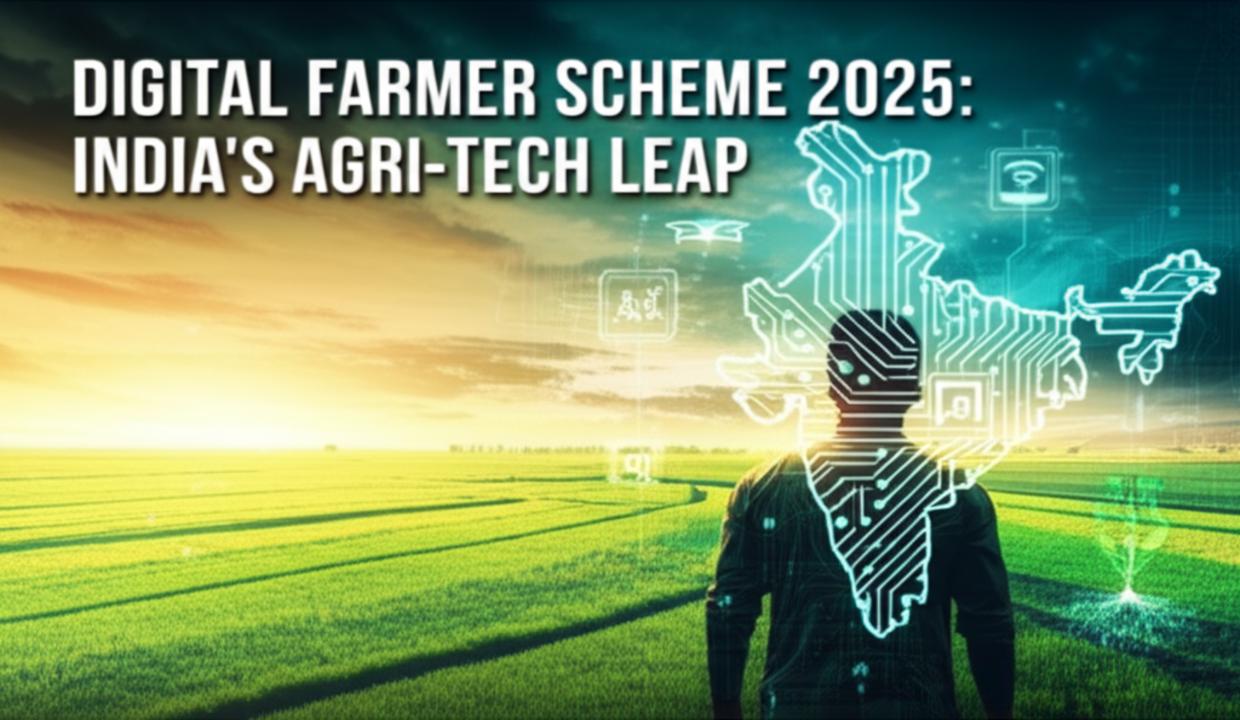
Welcome to an in-depth exploration of a groundbreaking initiative set to redefine Indian agriculture: the Digital Farmer Scheme 2025. This ambitious government farmer plan is more than just a scheme; it’s a strategic leap towards a digitally empowered agricultural sector. Designed to transform the lives of millions of farmers across the nation, it promises enhanced productivity, unprecedented transparency, and significantly improved incomes through the strategic integration of cutting-edge technology.
As a central component of the broader Digital Agriculture Mission (2021–2025), the Digital Farmer Scheme 2025 aims to usher in an era where data-driven decisions and digital tools are at the fingertips of every farmer. From accessing vital information to streamlining subsidies and addressing grievances, this comprehensive program is poised to make farming smarter, more efficient, and undeniably more profitable. Join us as we delve into the core aspects, key features, and immense potential of this transformative initiative.
Unveiling the Digital Farmer Scheme 2025: A New Era for Indian Agriculture
The Digital Farmer Scheme 2025 stands as a beacon of progress within India’s agricultural landscape. It is intricately woven into the fabric of the Digital Agriculture Mission (2021–2025), embodying the nation’s commitment to modernizing its most vital sector. At its heart, the scheme seeks to create a seamless, integrated digital ecosystem that connects farmers with essential services, information, and markets.
This agriculture scheme India is fundamentally about leveraging digital tools and data-driven approaches to solve long-standing challenges in farming. It’s about ensuring that every farmer, regardless of their location, can harness the power of technology to boost their farm’s output and secure a better livelihood. The vision is clear: a transparent, productive, and prosperous agricultural future for all.
Core Pillars of the Digital Farmer Scheme: Driving Agricultural Transformation
The Digital Farmer Scheme 2025 is built upon several foundational pillars, each designed to address specific needs and introduce innovative solutions. These pillars collectively form a robust framework for digital agriculture, promising significant farmer benefits 2025 and beyond. The strategic allocation of funds and the introduction of groundbreaking digital identities are central to this transformation.
Farmer Registry and Digitally Verifiable Certificates (DVCs)
A cornerstone of the scheme is the creation of a comprehensive Farmer Registry. This centralized database will link every farmer with their land and crop data, offering an unparalleled level of transparency and accuracy. This registry is crucial for efficient resource allocation and targeted support, ensuring that benefits reach the rightful beneficiaries without intermediaries.
Complementing the Farmer Registry are the new Digitally Verifiable Certificates (DVCs), also known as Kisan Pehchan Patra. These digital identities link a farmer’s Aadhaar identity directly with their land and crop details. Stored securely on platforms like DigiLocker, DVCs aim to make document management fraud-resistant, fully digital, and incredibly easy, significantly reducing bureaucratic hurdles for farmers seeking services or subsidies.
Financial Commitment: A Vision for Growth
The government has demonstrated its strong commitment to this initiative with a substantial financial backing. A significant sum of ₹6,000 crore has been allocated under Special Central Assistance specifically for digital agriculture. Out of this, a hefty ₹4,000 crore is dedicated to building the unified Farmer Registry, underscoring its critical importance as the backbone of the entire digital ecosystem.
Additionally, ₹2,000 crore has been earmarked for a nationwide Digital Crop Survey. This survey will facilitate the collection of real-time land and crop data, providing invaluable insights for policy-making, crop insurance, and resource management. This substantial investment highlights the dedication to a data-driven approach to agricultural development under this pivotal government farmer plan.
Leveraging Advanced Technologies: AI, IoT, and Beyond
The Digital Farmer Scheme 2025 is embracing cutting-edge technologies to revolutionize farming practices. Advanced tools such as Artificial Intelligence (AI), the Internet of Things (IoT), drones, and satellite monitoring are being integrated to enable precision farming. These technologies allow for optimized resource use, early detection of pests and diseases, and enhanced crop health monitoring.
Furthermore, the scheme promotes the use of blockchain technology to ensure transparent and traceable supply chains. This helps in building trust among stakeholders and ensuring fair prices for produce. These farm tech initiatives are designed to minimize losses, increase yields, and make agriculture more resilient and efficient, directly translating to greater farmer benefits 2025.
Digital Public Infrastructure (DPI) and Market Access
A core component of the scheme is the creation of a robust Digital Public Infrastructure (DPI). This infrastructure is designed to interconnect various agricultural databases, provide real-time crop and market information, and offer crucial advisory services. Farmers will gain access to accurate and up-to-date market prices, enabling them to make informed decisions about selling their produce.
This unified digital platform aims to bridge the information gap, empowering farmers with the knowledge they need to maximize their profits and reduce exploitation by middlemen. It’s a significant step towards creating a more equitable and efficient agricultural marketplace, driving prosperity for every participant in the value chain. For more on India’s agricultural policy, you can explore India’s new agricultural policy.
Empowering Farmers Through Grievance Redressal
Understanding the challenges farmers often face in resolving issues, the scheme introduces a Unified Grievance Redressal Portal. This digital portal is designed for ease of use, featuring OTP login, multilingual support, and even audio assistance to ensure accessibility for all farmers, regardless of their digital literacy. This initiative allows farmers to register complaints and seek redressal digitally, ensuring timely and transparent resolution of their concerns.
This portal is a testament to the scheme’s commitment to farmer welfare, ensuring that their voices are heard and their problems are addressed efficiently. It is a vital tool for building trust and ensuring that the benefits of the Digital Farmer Scheme 2025 are truly felt at the grassroots level, making it a truly comprehensive government farmer plan.
Sustainable Agriculture and Climate Resilience Through Digital Tools
The Digital Farmer Scheme 2025 places a strong emphasis on sustainable and climate-resilient farming practices. Digital tools are being deployed to support eco-friendly methods, offering predictive analytics to anticipate weather patterns and monitor resource consumption. Real-time monitoring helps farmers make timely adjustments, significantly reducing losses due to adverse conditions or inefficient practices.
By leveraging technology, the scheme aims to promote responsible land use, conserve water, and minimize the environmental footprint of agriculture. This forward-thinking approach not only safeguards the future of farming but also ensures long-term food security and ecological balance, positioning this agriculture scheme India as a model for environmental stewardship.
What’s New in 2025? Accelerating Digital Adoption
Recent developments underscore the accelerated pace of the Digital Farmer Scheme 2025‘s implementation. The impactful Agri Stack Conference 2025 saw high-ranking government and state officials reaffirming their commitment to rapid digital farming adoption. This conference highlighted the urgent push to equip farmers with smart farming tools and ensure their complete inclusion in the digital ecosystem by 2025.
The focus is on empowering farmers with the knowledge and resources to embrace technological innovations. This includes fostering public-private partnerships and supporting agritech startups that can bring novel solutions to the agricultural sector, ultimately improving rural livelihoods. Such initiatives are crucial for the continued success and expansion of these vital farm tech initiatives across the country.
The Immense Farmer Benefits 2025: Why This Scheme Matters
The comprehensive nature of the Digital Farmer Scheme 2025 translates into a multitude of tangible farmer benefits 2025. Firstly, the simplification of accessing government subsidies and services through DVCs and the Farmer Registry will significantly reduce delays and corruption. Farmers will receive direct support, enhancing their financial stability and reducing dependency on intermediaries.
Secondly, the integration of advanced technologies leads to increased productivity and reduced operational costs. Precision farming techniques enabled by AI and IoT mean optimal use of water, fertilizers, and pesticides, leading to higher yields and better resource management. This directly impacts farmers’ bottom lines, making their operations more profitable.
Thirdly, real-time market information and advisory services provided through the Digital Public Infrastructure empower farmers to make informed decisions about their crops and market their produce more effectively. This ensures better price realization and helps in avoiding post-harvest losses, strengthening their position in the supply chain.
Finally, the emphasis on sustainable and climate-resilient practices safeguards farmers against the unpredictable impacts of climate change, ensuring long-term viability and security. This holistic approach of the Digital Farmer Scheme 2025 truly aims to uplift the agricultural community, securing a prosperous future for Indian farmers. You can find more details on this mission in various digital agriculture mission reports.
Pros and Cons of the Digital Farmer Scheme 2025
| Pros | Cons |
|---|---|
| Enhanced transparency and reduced corruption through DVCs and Farmer Registry. | Potential digital divide: ensuring access and literacy for all farmers. |
| Improved access to subsidies and services, leading to better financial support. | Data privacy and security concerns for sensitive farmer information. |
| Increased productivity and efficiency through precision farming technologies (AI, IoT, drones). | Infrastructure challenges: reliable internet connectivity in remote rural areas. |
| Better market access and fair prices through real-time information and DPI. | Initial investment and maintenance costs for new technologies. |
| Support for sustainable and climate-resilient farming practices. | Resistance to change or adoption from traditional farming communities. |
| Unified Grievance Redressal Portal for easier complaint resolution. | Dependence on public-private partnerships and their consistent support. |
Watch More in This Video
(Note: Please replace YOUR_YOUTUBE_VIDEO_ID with the actual video ID from the provided YouTube link.)
Frequently Asked Questions (FAQ)
- What is the primary goal of the Digital Farmer Scheme 2025?
The primary goal is to transform Indian agriculture through technology, enhancing productivity, transparency, and farmers’ incomes. It aims to empower farmers by providing them with digital tools and data-driven approaches for better decision-making and access to services, forming a key part of the Digital Agriculture Mission. - How will the Farmer Registry benefit farmers?
The Farmer Registry will consolidate land and crop data, creating a comprehensive digital record for each farmer. This ensures transparency in subsidy distribution, streamlines access to government services, and helps in targeted delivery of benefits, reducing fraud and inefficiencies. It’s a foundational step for all future agriculture scheme India initiatives. - What are Digitally Verifiable Certificates (DVCs)?
DVCs, or Kisan Pehchan Patra, are digital identities linked to a farmer’s Aadhaar, land, and crop details. They are designed to make document management fraud-resistant and fully digital via platforms like DigiLocker, simplifying transactions and access to government provisions for farmers. - Which technologies are central to these farm tech initiatives?
The scheme heavily relies on advanced technologies such as AI, IoT, drones, satellite monitoring, and blockchain. These technologies are used for precision farming, resource optimization, pest/disease detection, and establishing transparent supply chains, driving overall efficiency and profitability in farming. - How much funding has been allocated for digital agriculture under the scheme?
A total of ₹6,000 crore has been allocated under Special Central Assistance for digital agriculture. Specifically, ₹4,000 crore is dedicated to building the unified Farmer Registry, and ₹2,000 crore is allocated for the crucial Digital Crop Survey, signaling a robust financial commitment to this government farmer plan. - What is the Agri Stack Conference 2025’s significance?
The Agri Stack Conference 2025 signifies an accelerated push by government and state officials to fast-track digital farming adoption. It reinforces the commitment to equipping farmers with smart farming tools and ensuring their full inclusion in the digital ecosystem by the year 2025, highlighting the urgency and importance of these farm tech initiatives. For more on latest schemes, see latest agriculture schemes India 2025.
Conclusion: Cultivating a Digitally Empowered Future
The Digital Farmer Scheme 2025 is set to be a game-changer for Indian agriculture, embodying a comprehensive approach to empower farmers through technology. By streamlining processes with Digitally Verifiable Certificates and a robust Farmer Registry, it aims to reduce bureaucratic hurdles and ensure direct benefit delivery. The integration of advanced farm tech initiatives like AI, IoT, and drones promises increased productivity and sustainable practices.
This visionary government farmer plan, bolstered by significant financial allocation and a commitment to digital inclusion, is poised to usher in an era of unprecedented growth and prosperity for the agricultural sector. It’s not just about technology; it’s about ensuring better income security and a brighter future for every farmer. We encourage you to explore more about how the Agri Stack Conference 2025 will impact this revolution by visiting India accelerates digital farming. Share your thoughts on this transformative scheme in the comments below, or learn more About Us and Contact us directly. #DigitalFarming #IndiaAgriculture
Disclaimer: All images and videos are sourced from public platforms like Google and YouTube. If any content belongs to you and you want credit or removal, please inform us via our contact page.


