
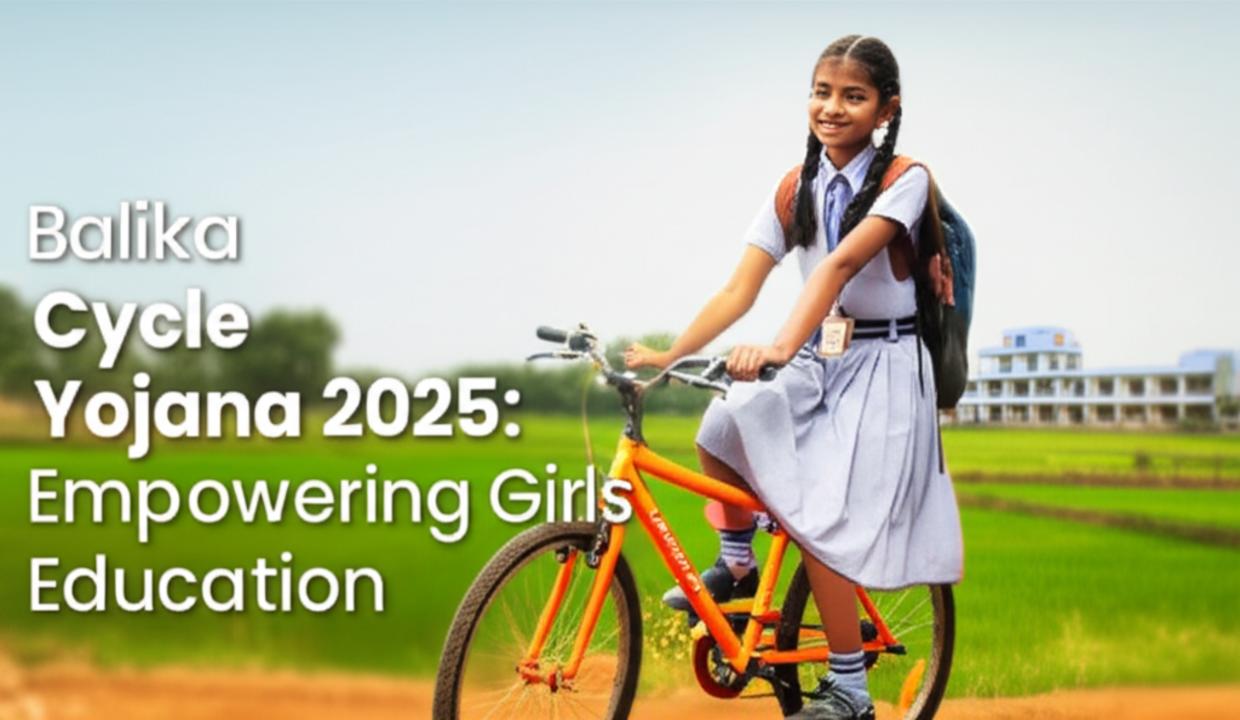
Welcome to our comprehensive guide on the Balika Cycle Yojana 2025, an empowering initiative reshaping the educational landscape for girls across India. This article delves deep into the various facets of the girls bicycle scheme, designed to break down barriers to education and foster greater independence among young girls. We will explore how these vital government schemes are making a tangible difference, from improving school attendance to empowering students from economically disadvantaged backgrounds.
For many years, the lack of accessible and safe transportation has been a significant hurdle preventing girls in rural and remote areas from attending school. The free cycle scheme for girls addresses this challenge head-on, providing a crucial tool that not only facilitates travel but also instills confidence. Join us as we uncover the objectives, impact, state-specific implementations, and future outlook of this transformative government cycle scheme.
Understanding the Balika Cycle Yojana 2025
The Balika Cycle Yojana 2025 represents a collection of state-level programs across India. These initiatives are all geared towards a single, powerful goal: to provide free bicycles to girl students. The overarching aim is to promote and sustain education by effectively easing transportation barriers, which often deter girls from continuing their schooling, particularly at higher grades.
This girls bicycle scheme is more than just about providing a mode of transport. It’s about empowering young girls, ensuring they have equal opportunities, and reducing the alarming dropout rates observed in many regions. The government’s commitment through the Balika Yojana reflects a deep understanding of the socio-economic challenges faced by these students.
Objectives and Impact of the Scheme
The primary objective of the Balika Cycle Yojana 2025 is to ensure every girl has access to education, regardless of their geographical location or economic background. By providing bicycles, the scheme effectively reduces the travel time and physical burden associated with long commutes to school. This makes education a more viable and appealing option for many families.
The impact of this free cycle scheme for girls extends far beyond mere attendance. Studies have shown significant improvements in academic performance, punctuality, and overall engagement in school activities. The scheme also contributes to increased self-confidence and a sense of independence among the beneficiaries. It’s a holistic approach to girl child development.
State-Specific Implementations and Their Models
The implementation of the Balika Cycle Yojana 2025 varies across states, each tailoring the program to best suit its local needs and challenges. Let’s look at some notable examples that showcase the diverse approaches and the success stories emerging from them.
Rajasthan’s Bicycle Distribution Scheme (2025)
In Rajasthan, the Bicycle Distribution Scheme (2025) is a focused effort targeting girl students from economically weaker sections. This particular initiative aims to distribute an impressive 5,800 free bicycles to eligible students.
The scheme specifically benefits girls studying in government schools from Class 6 to 8. To qualify, students must be natives of Rajasthan and belong to the EWS category, with an annual family income below ₹1,00,000. Academic merit is also a key factor, requiring students to secure at least 60% marks in their previous examination. Priority is given based on these academic achievements.
Bihar’s Transformative Cycle Scheme
Bihar’s Cycle Scheme stands out as a pioneering initiative, having been launched way back in 2006-07 for girls continuing their secondary school education. Its long-standing success provides valuable insights into the profound impact a government cycle scheme can have.
This program has demonstrated remarkable positive outcomes, including a significant 27% reduction in absenteeism and an impressive 66% fewer late arrivals among girl students. The success of Bihar’s Cycle Scheme has even gained international recognition, inspiring similar programs in six African countries. These international adoptions aim to improve girls’ school attendance, boost self-confidence, and encourage delayed marriage and pregnancy, underscoring the universal benefits of such schemes. You can learn more about its global impact here.
Pune Zilla Parishad Cycle Bank (2025)
A unique and sustainable model is seen in Pune, where the Pune Zilla Parishad Cycle Bank (2025) is making a difference. This initiative focuses on providing bicycles to girls from Class 5 to 8 who reside in rural areas and face considerable challenges traveling to school.
What makes this program particularly innovative is its sustainability model. Bicycles are lent to students for the academic year and are then passed on to new students in need for the next year. This ensures ongoing benefits and significantly helps in reducing school dropout rates, promoting a community-driven approach to education. Discover more about this eco-friendly initiative through this link.
Gujarat’s Saraswati Sadhana Yojana
Gujarat’s Saraswati Sadhana Yojana is another crucial component of the broader Balika Cycle Yojana 2025. This scheme targets Class 9 girls from socially and educationally backward families, with an annual family income under ₹6 lakh. Its core objective is to address and mitigate school dropouts, particularly between Classes 9 and 10.
However, recent reports from early 2025 have highlighted concerns regarding distribution delays and issues with stored bicycles. These challenges were even brought up in the state assembly, indicating the ongoing need for efficient implementation and oversight to ensure the scheme meets its intended goals effectively. For more details on the reported issues, you can refer to this article.
Eligibility Criteria and Application Process
While specific criteria can vary slightly from state to state under the umbrella of Balika Cycle Yojana 2025, there are common threads that define eligibility for these schemes. Generally, the programs target girls from economically disadvantaged backgrounds who are enrolled in government schools.
Key eligibility requirements often include being a resident of the specific state, attending a government-run school, belonging to a designated economically weaker section or backward class, and sometimes, meeting a minimum academic performance threshold. The application process typically involves submitting an application form through the school, along with necessary documents such as income certificates, caste certificates (if applicable), and academic records.
Parents and guardians are usually guided by school authorities on the precise steps and required documentation for the free cycle scheme for girls. It is always advisable to check the official government portals or contact local school administrations for the most accurate and up-to-date information regarding eligibility and application submission deadlines for the government cycle scheme in your area. For general information on government schemes, you can visit MyScheme.gov.in.
Benefits Beyond the Bicycle
The Balika Cycle Yojana 2025 offers far more than just a bicycle. It’s a catalyst for significant social and psychological development. Reliable transportation means girls no longer need to walk long distances, ensuring they arrive at school fresh and ready to learn. This directly translates into better academic outcomes and reduced physical fatigue.
Beyond academics, the schemes foster a sense of independence and self-reliance. Girls gain confidence in navigating their commute, which extends to other areas of their lives. It also reduces parental concerns about safety, encouraging families to send their daughters to school for longer periods. The positive effects reverberate through families and communities.
Pros and Cons of the Girls Bicycle Scheme
| Pros | Cons |
|---|---|
| Significantly improves school attendance and punctuality for girls. | Potential for distribution delays and bureaucratic hurdles, as seen in Gujarat. |
| Empowers girls with independence and boosts self-confidence. | Bicycles require maintenance, which can be an additional cost for families. |
| Reduces dropout rates, especially in rural and remote areas. | Quality and durability of distributed bicycles may vary. |
| Eases transportation barriers for economically disadvantaged students. | Scheme’s reach may not cover all eligible students due to limited budgets. |
| Positive health impact through physical activity. | Risk of misuse or resale of bicycles if not properly monitored. |
| Inspires similar initiatives nationally and internationally. | Lack of comprehensive follow-up on the long-term impact on all beneficiaries. |
Broader Impact and Future Outlook
The success of the Balika Cycle Yojana 2025, and its predecessors, highlights the critical role of targeted interventions in promoting educational equity. Supporting data, particularly from Bihar’s scheme, unequivocally shows that bicycles significantly improve education metrics and profoundly empower girls, both socially and psychologically. This ripple effect creates more equitable educational pathways.
Moreover, initiatives like Pune’s cycle bank concept emphasize the importance of sustainability through sharing and reuse within communities. This model not only addresses immediate needs but also fosters a culture of resourcefulness and community support. It’s a smart way to maximize the impact of every single bicycle distributed under the free cycle scheme for girls.
Looking ahead, youth cycling initiatives across India are also playing a crucial role. These programs aim to increase girls’ overall cycling participation through skill-building workshops and community rides. Such efforts contribute to long-term engagement with cycling, beyond just school commutes, and further reinforce the benefits of the Balika Yojana. This can be a game-changer for girl child education and empowerment, as highlighted by organizations promoting youth cycling efforts. The future of the Balika Cycle Yojana 2025 looks promising, with a focus on expansion, efficiency, and continued positive impact.
FAQ
- What is the main goal of the Balika Cycle Yojana 2025?
The primary goal of the Balika Cycle Yojana 2025 is to promote education among girl students, especially those from economically weaker sections. It achieves this by providing free bicycles, which effectively removes transportation barriers that often prevent girls from attending school regularly, thereby reducing dropout rates and enhancing educational access. - Which states are actively participating in the girls bicycle scheme?
Several states in India are actively implementing variants of the girls bicycle scheme. Notable examples include Rajasthan with its Bicycle Distribution Scheme (2025), Bihar with its long-running successful cycle scheme, Pune Zilla Parishad’s Cycle Bank (2025), and Gujarat through its Saraswati Sadhana Yojana. - Who is eligible for the free cycle scheme for girls?
Eligibility typically targets girl students enrolled in government schools who belong to economically disadvantaged backgrounds. Specific criteria vary by state but often include residency, family income limits (e.g., ₹1,00,000 for Rajasthan EWS), and sometimes a minimum academic percentage (e.g., 60% marks in Rajasthan). - How does the government cycle scheme benefit girls beyond transportation?
Beyond providing transportation, the government cycle scheme empowers girls by fostering independence and boosting self-confidence. It improves punctuality and attendance, reduces physical fatigue from long walks, and contributes to better academic performance. The scheme also encourages parents to send their daughters to school for longer, positively impacting their social and psychological development.
Conclusion
The Balika Cycle Yojana 2025 stands as a powerful testament to the impact of targeted government initiatives aimed at fostering educational equity. By providing the simple yet transformative gift of a bicycle, these schemes are dismantling significant barriers for countless girl students across India. The positive outcomes, from improved attendance to enhanced empowerment, are undeniable, reinforcing the vital role of the free cycle scheme for girls in nation-building.
As we move forward, the focus remains on robust implementation, sustainable models like Pune’s Cycle Bank, and addressing challenges to ensure every eligible girl benefits. This ongoing commitment ensures that the dream of education is within reach for more girls, paving the way for a brighter, more equitable future. Feel free to share your thoughts or contact us if you have more questions about this inspiring Balika Yojana. You can also learn more about us by visiting our About Us page and exploring other articles on our site. #BalikaCycleYojana #GirlEducation #Empowerment
Watch More in This Video
For a detailed visual overview and the latest updates on the progress of such vital schemes, especially concerning their implementation challenges and potential expansions, a recent YouTube video from August 2025 by a trusted regional news channel or government department would offer invaluable insights. Such a video would provide real-time accounts and testimonials from beneficiaries, offering a deeper understanding of the ground reality of the Balika Cycle Yojana 2025.
Disclaimer: All images and videos are sourced from public platforms like Google and YouTube. If any content belongs to you and you want credit or removal, please inform us via our contact page.


